Helping teams & organizations shift from silent survival to sustainable success.
A Fresh Approach to Leadership: Practical, Trauma-aware, & Truly Transformational.
The value that Dr. Willis’s keynote brought to our audience was transformational. Dr. Willis delivered on all levels. I received rave reviews about the stories and tools she shared well after the summit ended. The audience found incredible validation, affirmation, and even humor in what Dr. Willis taught. Dr. Willis blew us away with her delivery, content, and audience rapport.
Elena Joy Thurston
Executive Director of the Pride & Joy Foundation
Dr. Willis’s Speaking Programs Get Teams, Educators, and Leaders Out of Stable Misery®
When everything looks held together—but burnout, silence, and survival are quietly pulling people, teams, and organizations apart—Stable Misery® is at play.
Stable Misery® isn’t crisis. It’s the high-functioning dysfunction that hides beneath productivity. It shows up as tension that never quite gets addressed, miscommunication that lingers, and leadership habits rooted in reactivity instead of clarity.
Dr. Willis helps organizations recognize and interrupt these hidden patterns—so people feel supported, teams communicate more clearly, and leaders lead with courage, calm, and connection.
All programs are available in both in-person and virtual formats.
SIGNATURE TALKS & TRAININGS
In addition to these core keynotes, Dr. Willis offers specialized trainings for educators, healthcare teams, and organizational leaders. See below for offerings tailored for these audiences.
Each of the following sessions can be delivered as a keynote, interactive breakout, or virtual training.
Breaking the Burnout Cycle
A Personalized Plan to Restore Energy, Purpose, and Connection
Delivery: Keynote | Breakout | Virtual
Burnout isn’t a personal flaw—it’s a patterned response to emotional exhaustion and unmet needs. This session helps professionals identify the internal and relational dynamics fueling burnout and provides a neuroscience-informed path toward resilience.
Why It Matters:
Burnout is more than a personal struggle; it’s a systemic issue with significant financial implications:
Healthcare: Physician burnout costs the U.S. healthcare system an estimated $4.6 billion annually, primarily due to turnover and reduced clinical hours.
Education: Teacher turnover, often linked to burnout, costs the U.S. education system over $8.5 billion each year.
Corporate: Employee burnout can cost companies up to $5 million annually, considering lost productivity and turnover.
This session equips individuals and organizations with tools to move from survival mode to sustainable engagement.
Key Takeaways:
Uncover the hidden patterns behind professional burnout
Understand how burnout impacts relationships, communication, and leadership
Identify your personal burnout blueprint
Leave with a practical, brain-based framework to restore balance and clarity
A Trauma-Sensitive Framework for Navigating Difficult Conversations
Delivery: Keynote | Breakout | Virtual
Whether you’re guiding a team, teaching students, or caring for patients and families—emotionally charged conversations come with the territory. But most professionals are never taught how to navigate them in ways that reduce reactivity and build trust. This interactive session introduces the Supportive Response Process™, a four-step, trauma-informed framework grounded in neuroscience and communication research.
Participants learn how to stay grounded under pressure, create psychological safety, and communicate with clarity—no matter how tense the moment.
Why It Matters:
Most workplace conflicts aren’t caused by what is said—but how it’s said and received.
Without the tools to navigate emotional intensity, professionals often fall into silence, escalation, or shutdown.
Trauma-informed communication builds stronger relationships, reduces turnover, and supports retention, performance, and well-being.
Key Takeaways:
Use a four-step framework to de-escalate tough conversations with clarity and confidence
Stay emotionally regulated in the face of conflict, feedback, or distress
Increase trust, safety, and resilience across teams, classrooms, and care settings
Create communication norms that support accountability and compassion
Stable Misery® is what happens when people, teams, or organizations seem “fine” on the surface—but underneath, stress, disconnection, and frustration are quietly building. This session introduces the emotional habits that keep people stuck in survival mode and provides a clear path to real, lasting change using Dr. Willis’s PATHS™ Process.
Why It Matters:
When people stay in “just get through the day” mode, engagement, creativity, and connection suffer.
Many teams mistake chronic stress and low morale for the new normal—until it impacts performance or people burn out.
Sustainable growth happens when we stop chasing quick fixes and start addressing the deeper patterns driving disconnection.
Key Takeaways:
Learn how emotional habits like avoidance, over-functioning, or blame keep people stuck in stress cycles
Understand how Stable Misery® shows up in communication, leadership, and team dynamics
Gain a clear process to shift from stuck patterns into healthier habits and stronger relationships
Walk away with tools to build stronger relationships, healthier teams, and long-term momentum
Whether virtual or in person, keynote or workshop—Dr. Willis creates experiences that move people from stuck to supported, and from surviving to leading.
Dr. Willis is a skillful storyteller who takes her audience on a journey. She is down to earth, engaging, revealing and accessible….she speaks to the issues women face with support and caring; she gives you the confidence to take steps you’ve been scared to take for too long.
Mariel BlakeJack and Jill of America, Inc, Chapter President
Why Dr. Willis?
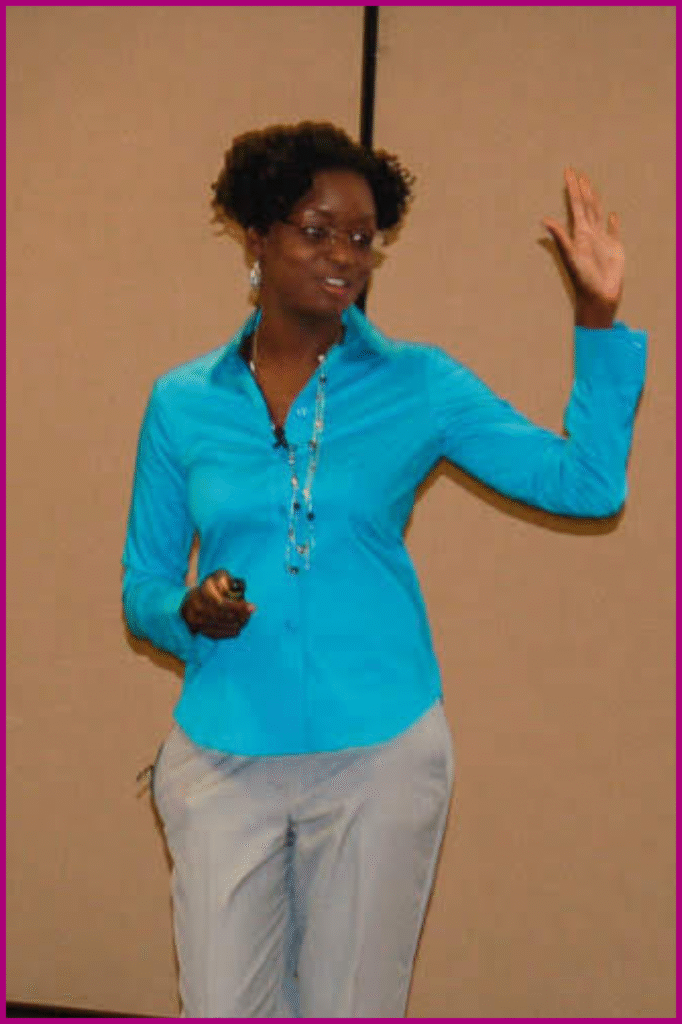
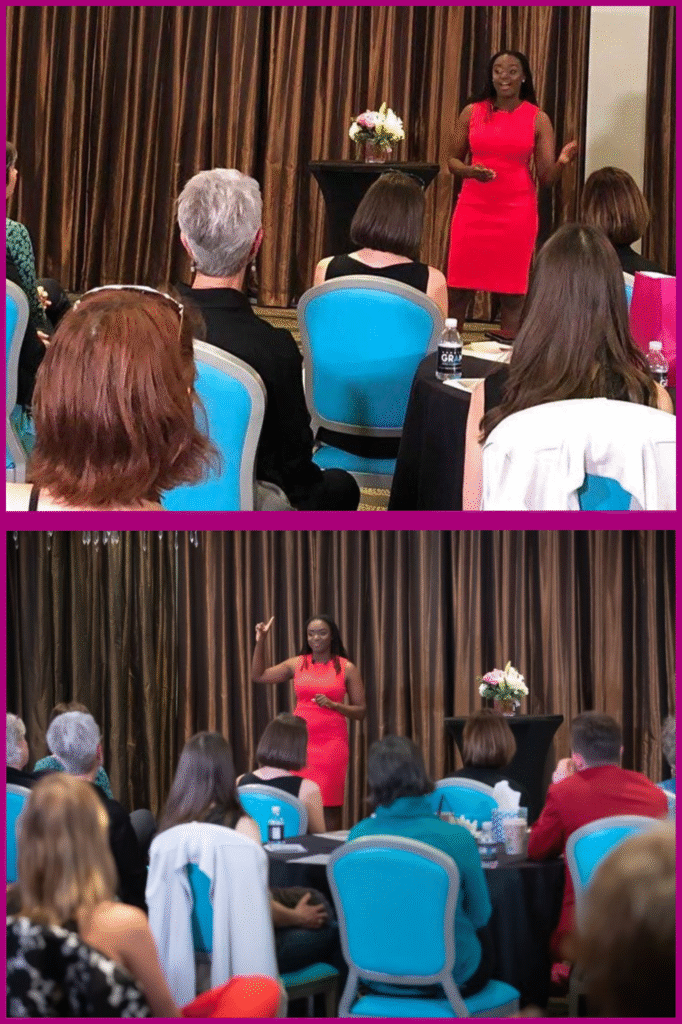
Dr. Lynyetta Willis is a psychologist, keynote speaker, and creator of Elemental Leadership™ and the P.A.T.H.S™ Framework—a proven system used by organizations, educators, and leaders to shift toxic emotional patterns and create more supportive, sustainable cultures. Her signature approach blends brain science, trauma-informed strategy, and soulful storytelling to help audiences move from burnout and disconnection to clarity, confidence, and connection.
She’s also trained extensively in improvisational theater and stand-up comedy, bringing warmth, wit, and grounded humor to even the toughest topics—so your audience stays engaged, energized, and deeply impacted from start to finish.
She has delivered keynotes and trainings for organizations including Emory University, the American Psychological Association, Prudential, Jack and Jill of America, Inc., and school districts across the country.
HEALTHCARE & WELLNESS PROFESSIONALS
Transform Your Triggers to Transform Your Workplace
Navigating Emotional Patterns that Undermine Team Connection and Care
Delivery: Keynote | Breakout | Virtual
Stable Misery® quietly erodes healthcare teams from within—showing up as repeated communication breakdowns, ongoing tension, and stalled collaboration. Unchecked patterns like frustration, avoidance, or shutdown disrupt communication, weaken teamwork, and ultimately jeopardize patient care. This session helps healthcare professionals recognize their emotional triggers, shift their internal responses, and strengthen relational resilience on the job.
Why It Matters:
Suppressing emotions to appear “professional” can increase burnout, reduce empathy, and lower job satisfaction.
Unspoken tension between staff can lead to communication breakdowns, more mistakes, and weaker patient outcomes.
Teams that understand and regulate emotions work better together and create safer, more supportive care environments.
Key Takeaways:
Recognize how unresolved emotional patterns (aka “triggers”) impact your workplace interactions
Identify your default stress responses and how to shift them
Learn simple, brain-based tools to de-escalate internal stress in the moment
Improve team dynamics by bringing clarity, compassion, and responsiveness into everyday interactions
How Avoiding Hard Conversations Fuels Burnout and Team Disconnection
Delivery: Live Workshop | Virtual Training
(Based on the Step Into Your Moxie® methodology. Dr. Willis is a certified facilitator.)
In fast-paced healthcare environments, silence can feel like self-protection—but over time, it creates stress fractures across teams. This interactive session explores how emotional suppression and conflict avoidance show up on the job, and how leaders and staff can build the confidence to engage with clarity, courage, and emotional safety.
Why It Matters:
Avoiding difficult conversations may feel protective—but over time, it erodes trust, performance, and morale.
When emotional suppression becomes routine, burnout and miscommunication increase.
Speaking up with compassion is a critical skill for creating psychological safety and sustainable teamwork.
Key Takeaways:
Understand the emotional and professional cost of habitual silence
Reframe what “speaking up” can look like in high-pressure environments
Practice tools that support honest, clear, and emotionally safe dialogue
This transformative session introduces the Elemental Educator™ framework—a science-backed, heart-centered approach to understanding stress and behavior in the classroom. Using four Elemental Stress Styles™—Fire, Water, Air, and Earth—educators learn how stress impacts their own teaching responses, how to better interpret student behavior, and how to restore connection before burnout sets in.
Why It Matters:
Teachers can’t regulate students if they’re not regulated themselves
Behavior challenges are often misunderstood responses to stress—not just “bad behavior”
When students shut down, escalate, or resist help, many teachers feel stuck and unsupported
In-the-moment challenges can quickly lead to burnout without simple strategies to stay grounded
A shared framework increases emotional safety, resilience, and classroom cooperation
Key Takeaways:
Identify your personal stress response style and how it affects your classroom presence
Learn to decode student behavior through the four Elemental Stress Styles™
Gain tools to reduce burnout, increase student regulation, and create emotionally safe learning environments
Leave with a visual guide and shared language you can use immediately
This foundational workshop guides educators through three transformative lenses—Intergenerational Awareness, Social Conditioning, and Emotional Regulation—to build trauma-sensitive classrooms rooted in curiosity, clarity, and connection.
Why It Matters:
Every educator carries unconscious stories and beliefs that impact how they teach and relate to students.
Without reflection, these patterns can unintentionally create tension, confusion, or disconnect.
With the right support, those same patterns can become powerful tools for awareness, growth, and relational repair.
When educators build emotional awareness and connection, students experience improved engagement, behavior, and academic outcomes—reducing teacher turnover and increasing school-wide effectiveness.
Key Takeaways:
Explore how family messages and past experiences shape expectations and reactions
Examine how societal norms influence classroom relationships and decision-making
Learn trauma-informed strategies for staying grounded in the face of student distress
Strengthen emotional safety and connection across student, staff, and caregiver relationships
Leave with a compassionate framework to reflect, grow, and lead with intention
Applying Personal Insight to Strengthen Leadership at Work and Home
Delivery: Live Workshop | Virtual Training
In today’s fast-paced work environment, the boundaries between professional responsibilities and personal life are increasingly blurred. This workshop delves into how personal dynamics, especially those rooted in family interactions, influence leadership styles and workplace effectiveness. By understanding and addressing these influences, leaders can foster more cohesive teams and drive organizational success.
Why It Matters:
Research underscores the profound impact of personal life stressors on workplace performance:
Personal stress doesn’t stay at home—it directly shapes how leaders communicate, make decisions, and show up for their teams.
When family dynamics go unexamined, they can fuel reactivity, burnout, and breakdowns in leadership and team cohesion.
Studies show that work-family conflict reduces job satisfaction and performance, while addressing it leads to measurable improvements in engagement and effectiveness.
Family-to-work conflict has been linked to decreased productivity and emotional bandwidth—especially in hybrid and remote teams.
Wellness initiatives that acknowledge and address family-related stressors can deliver powerful ROI: up to $176 in productivity for every $100 invested.
By proactively addressing the interplay between personal and professional spheres, organizations can enhance leadership effectiveness, reduce burnout, and improve overall productivity.
Key Takeaways:
See how stress at home affects how leaders communicate, make decisions, and show up at work
Learn simple strategies to manage stress and improve emotional awareness on the job
Discover practical ways to balance work and personal life—without burning out
Explore how addressing family-related stress can improve leadership, teamwork, and organizational performance
Identify supportive practices that boost well-being, engagement, and retention across your team
Building Trust and Safety in the Conversations That Matter
Delivery: Live Workshop | Virtual Training
(Based on the Step Into Your Moxie® methodology. Dr. Willis is a certified facilitator.)
In today’s dynamic workplace, the ability to navigate challenging conversations is paramount. This interactive workshop equips leaders with the tools to transform difficult dialogues into opportunities for connection, trust-building, and organizational growth.
Why It Matters:
Avoiding difficult conversations doesn’t make tension disappear—it pushes it underground, where it undermines trust and team cohesion.
When managers lack the skills or confidence to engage in honest dialogue, misunderstandings multiply and performance suffers.
Open, honest communication about challenges, feedback, and expectations builds trust across the organization—and trust drives long-term success.
Key Takeaways:
Learn how to regulate internal stress before and during high-stakes conversations
Use a simple communication framework to prepare for tough discussions
Build the skills to speak with clarity, listen with curiosity, and engage without defensiveness
Increase psychological safety and reduce avoidant behavior across teams
By transforming the approach to difficult conversations, leaders can create environments where employees feel valued, heard, and motivated to contribute their best work.
In today’s high-pressure work environments, strong leadership isn’t just about strategy—it’s about self-awareness. This neuroscience-informed session introduces leaders to the four Elemental Stress Response Styles™—a powerful, practical tool for understanding how stress shows up in their leadership, and how to shift into calm, confident action.
Why It Matters:
Leaders who can recognize and recalibrate their stress responses make better decisions, lead stronger teams, and reduce reactive fallout
Emotional regulation improves communication, boosts productivity, and strengthens trust—core ingredients of resilient leadership
Engage your team or audience with these free, research-backed tools
based on Dr. Willis’s signature frameworks.
Elemental Leadership™ Quiz
What’s your stress style?
Discover your Elemental Stress Response Style™ and learn how it shapes your leadership under pressure—plus strategies to lead with more clarity, calm, and confidence.
Whether you’re planning a leadership retreat, team summit, professional development day, or national conference, Dr. Willis delivers unforgettable keynotes and trainings that spark transformation—without overwhelm.